Emotional Meditation—By Micah Siemens
This psalm doesn’t rush past the hard truth. It sits with it.
“For he sees that even the wise die; the fool and the stupid alike must perish and leave their wealth to others.”
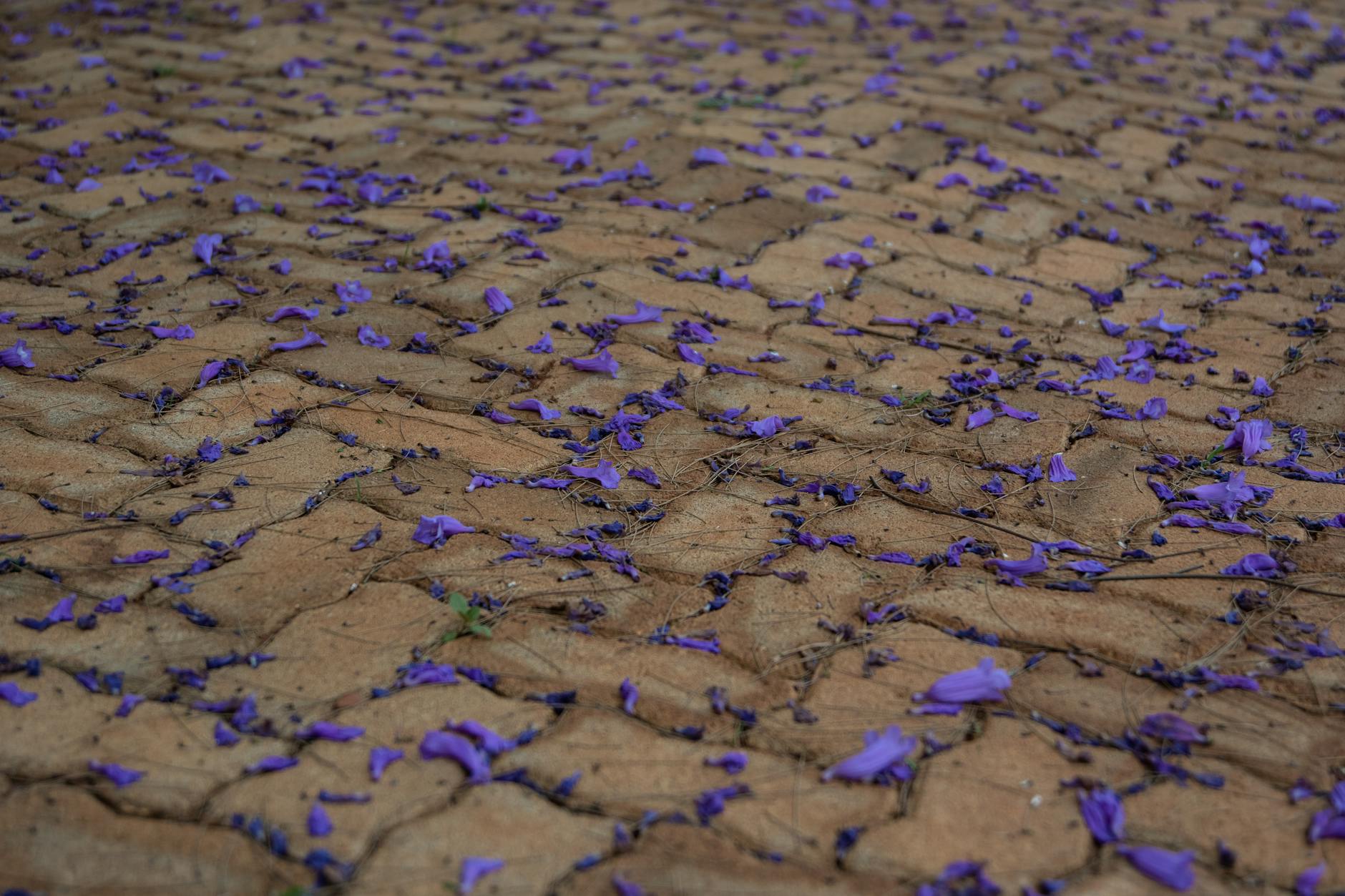
There’s no bitterness in this—just inevitability. Wisdom does not grant exemption. Ignorance does not accelerate the end. Death, in its quiet way, levels the ground. And that can feel unsettling—especially for people who work hard to live thoughtfully, faithfully, intentionally. You do the inner work. You try to be wise with words, time, conviction. And still, this psalm reminds us: none of that buys permanence.
“Their graves are their homes forever… though they called lands by their own names.”
This line feels almost tender in its sadness. All the effort to be remembered. To leave a mark. To attach identity to place, project, legacy. And yet—names fade. Ownership transfers. Memory softens.
Perhaps you are like me in that you think carefully about calling, impact, and faithfulness. This verse doesn’t mock ambition. It refines it. It asks: What kind of legacy actually survives us?
“Man in his pomp will not remain; he is like the beasts that perish.”
Stripped of comfort, stripped of illusion, we are reminded of our shared fragility. Not to humiliate us—but to humble us into truth. And then—quietly, almost unexpectedly—hope enters.
“But God will ransom my soul from the power of Sheol, for He will receive me.”
This is the hinge of the psalm. Not denial of death. Not escape from finitude. But redemption through it. The psalmist doesn’t claim longevity. He claims belonging. God does what wealth cannot. God reaches where status cannot. God receives where all other securities fail. And that word—receive— feels personal. Not conquer. Not manage. Receive. As if at the end of all striving, the final truth is not achievement, but welcome. Psalm 49 doesn’t resolve our questions about time or loss. It reframes them. We are not held together by what we accumulate—we are held by the God who knows how to keep a soul. And in that knowing, something inside us finally rests.

Leave a comment