Emotional Meditation—By Micah Siemens
“But God will break you down forever; He will snatch and tear you from your tent; He will uproot you from the land of the living.”
This verse begins with a quiet but decisive turn: “But God.” Not human retaliation. Not poetic justice. God Himself. There’s something sobering about how thorough this language is. Break you down. Snatch. Tear. Uproot. The psalmist isn’t indulging in revenge fantasies—he’s naming the reality that what is built on deceit cannot stand forever. Evil often feels entrenched, settled, immovable. But God sees foundations, not appearances. And what has no root in truth will eventually be pulled from the soil.
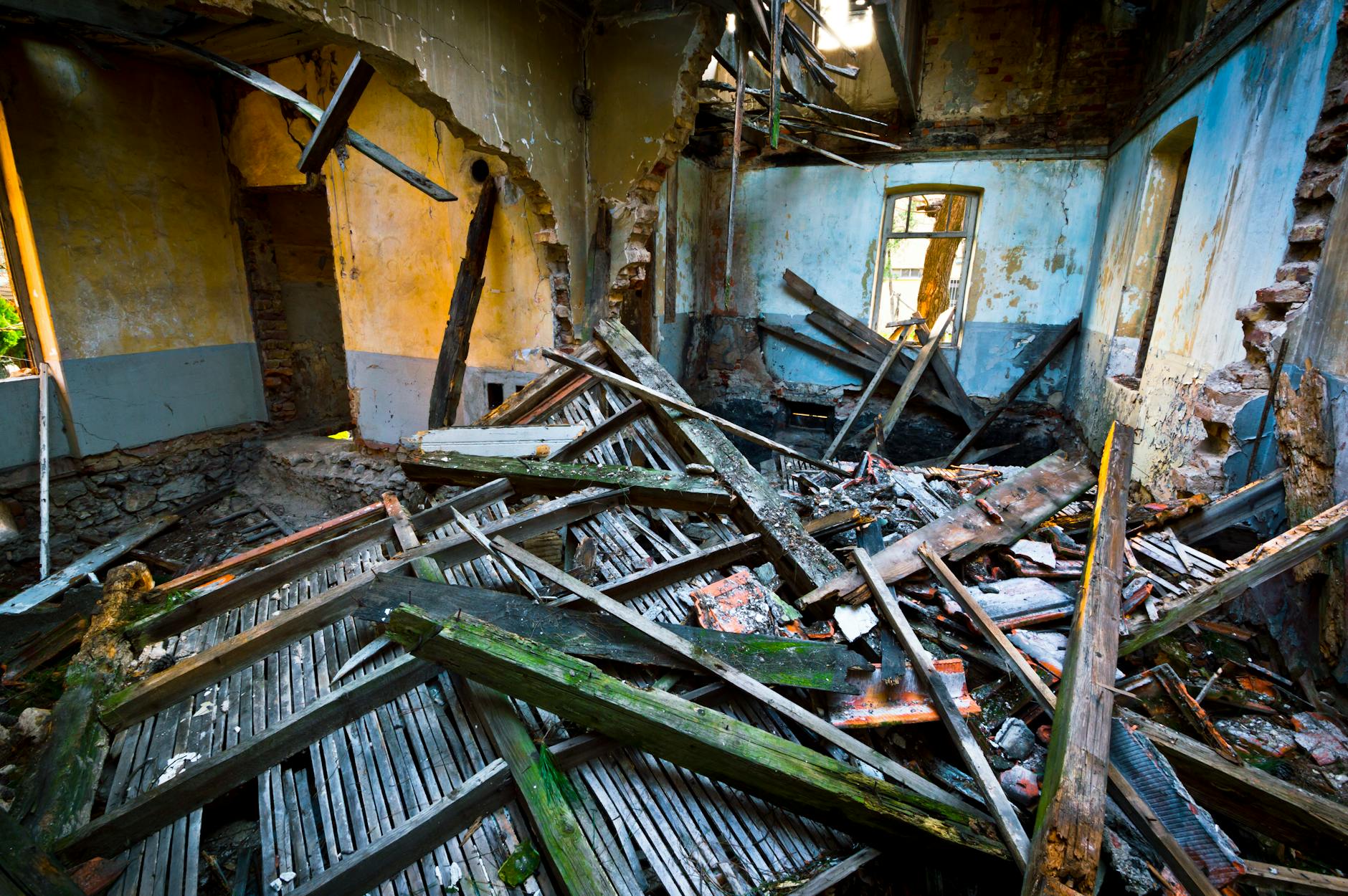
What strikes me here is the word forever. The boasting of the wicked always feels permanent in the moment—like it will never be challenged, never questioned. But this verse flips that illusion on its head. It isn’t evil that lasts forever. It’s God’s justice.
“The righteous shall see and fear, and shall laugh at him,”
This is not cruel laughter. It’s not mockery born of pride. It’s the kind of release that comes when a lie finally collapses under its own weight. The righteous see—and that seeing leads first to fear, then to laughter. That order matters. Awe comes before relief. Reverence before joy.
There is something healing about watching God set things right—not because we enjoy someone’s fall, but because it reassures us that goodness is not fragile, and truth is not naïve. The laughter here feels like exhaling after holding your breath for too long. Like realizing you were never crazy for trusting God in the first place.
“See the man who would not make God his refuge, but trusted in the abundance of his riches and sought refuge in his own destruction!”
This final verse feels almost mournful. See the man. Not look at the monster, but see the man. Someone who chose self-sufficiency over refuge. Control over surrender. Wealth over dependence.
What undoes him isn’t merely his evil—it’s what he trusted. Riches promised safety. Power promised permanence. But those things became his hiding place, and in the end, they couldn’t save him. The psalm says he sought refuge in his own destruction, and that line lingers uncomfortably close to home.
Because if I’m honest, I know how easy it is to do the same—just in subtler ways. To trust productivity. To trust knowledge. To trust being “right.” Anything that keeps me from fully resting in God. This psalm doesn’t let us caricature the wicked as someone else entirely. It reminds us how thin the line can be between refuge and ruin.
This section of the psalm invites a hard but necessary reflection: what am I hiding in when life feels unsafe? Where do I run first? Because whatever we treat as refuge will eventually reveal whether it can truly hold us.
And here again, the contrast remains clear. Human strength collapses. False security uproots itself. But the one who makes God his refuge stands on ground that cannot be shaken.

Leave a comment