Emotional Meditation—By Micah Siemens
Psalm 63 opens not with fear or complaint, but with longing. “O God, you are my God” is both confession and claim—a statement of relationship spoken before anything else is named. From that grounding, desire pours out. The psalmist does not say he needs rescue; he says he aches. His soul thirsts, his body longs, as if faith itself has become physical.
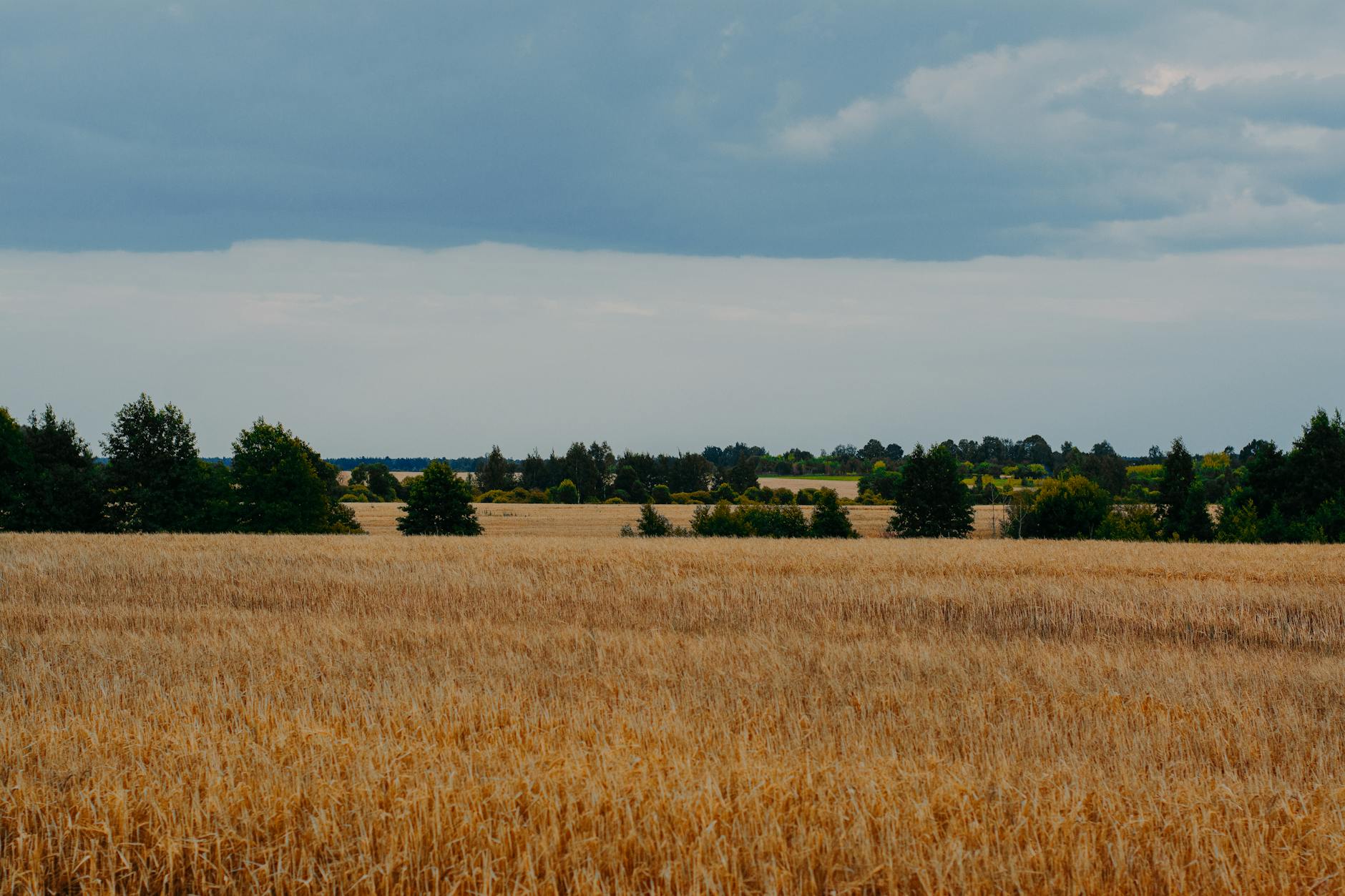
The setting matters. This longing unfolds in a dry and weary land, where water is scarce and survival is uncertain. Yet the psalmist’s thirst is not primarily for relief from the desert, but for God within it. Desire here is focused. God is not a means to an end; God is the end. This reorients the entire psalm.
Memory quietly enters the movement as well. The psalmist has seen God in the sanctuary before, has known divine power and glory in another place and time. That memory sharpens the longing rather than dulling it. Past encounters do not replace present seeking—they intensify it. Desire grows because relationship already exists.
What’s striking is how quickly praise emerges from hunger. The psalmist blesses God with lifted hands even before satisfaction arrives. Love is named as better than life itself, a claim so bold it borders on reckless faith. Yet it rings true because it is spoken by someone who has known both fullness and loss.
This first column teaches that faith does not always begin with answers or assurance. Sometimes it begins with desire that refuses to be numbed. In the wilderness, the psalmist does not lower his expectations—he raises them toward God. Trust, here, looks like longing directed wisely.

Leave a comment