Emotional Meditation—By Micah Siemens
“Surely the wrath of man shall praise you”. It is a startling claim, one that feels almost too bold at first hearing. Human anger so often appears destructive, unpredictable, and deeply wounding. We have seen what it can do—how it fractures relationships, fuels injustice, and leaves lasting scars. And yet, the psalm dares to say that even this—this volatile, misdirected force—does not fall outside the reach of God. Somehow, even wrath is gathered into His greater purpose.
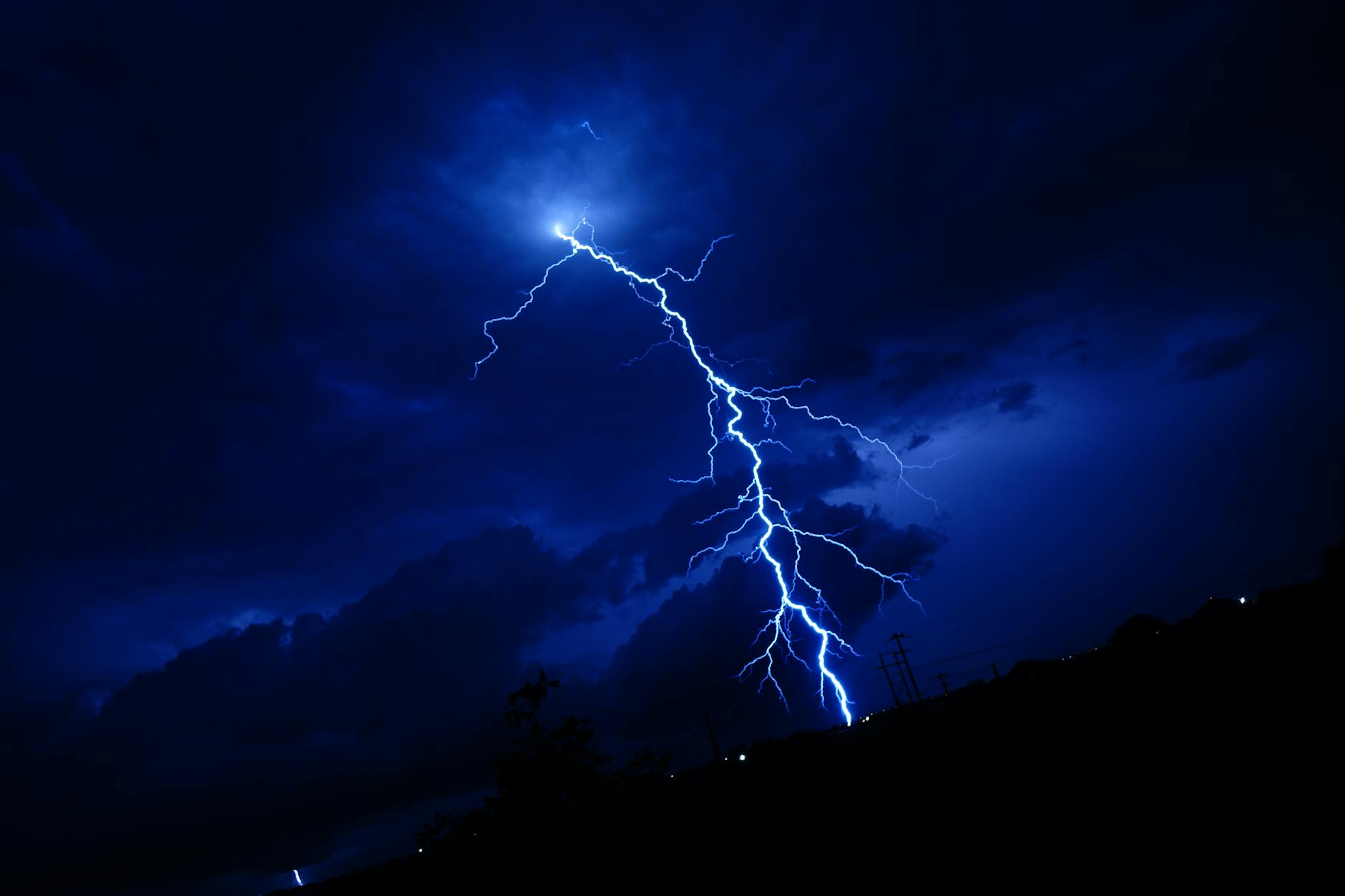
This does not mean that human anger is justified or made pure by default. The damage it causes is real, and the pain it leaves behind is not dismissed. But the verse invites us to see something beyond the immediate impact. God is not overpowered by human sin; He is not forced to react as though caught off guard. Instead, He remains sovereign, able to weave even the most chaotic expressions of human will into a story that ultimately reflects His glory. What was intended for harm does not have the final word.
The psalm continues, “the remnant of wrath you will put on like a belt”. The image is striking—God taking what remains of human fury and fastening it to Himself, as though it were something He can carry with ease, something fully under His control. What feels overwhelming to us is not overwhelming to Him. He does not merely contain wrath; He governs it. He sets its limits, determines its reach, and ensures that it goes no further than He allows.
For the weary heart, this truth can be both challenging and deeply comforting. It challenges us because it asks us to release our desire to control outcomes, to stop believing that everything depends on our ability to manage or resist the forces around us. But it comforts us because it means that nothing—no outburst, no injustice, no moment of chaos—escapes God’s notice or slips beyond His authority. Even when events seem to spiral, they do not do so beyond His grasp.
And so we are invited into a different kind of trust. Not a naïve optimism that ignores the reality of human anger, but a steady confidence that God is never dethroned by it. He remains the One who brings order out of disorder, who draws praise out of what was never meant to honor Him. In His hands, even wrath is not ultimate. It becomes, in ways we may not always see, another thread in the unfolding story of His justice, His sovereignty, and His enduring faithfulness.

Leave a comment