Emotional Meditation—By Micah Siemens
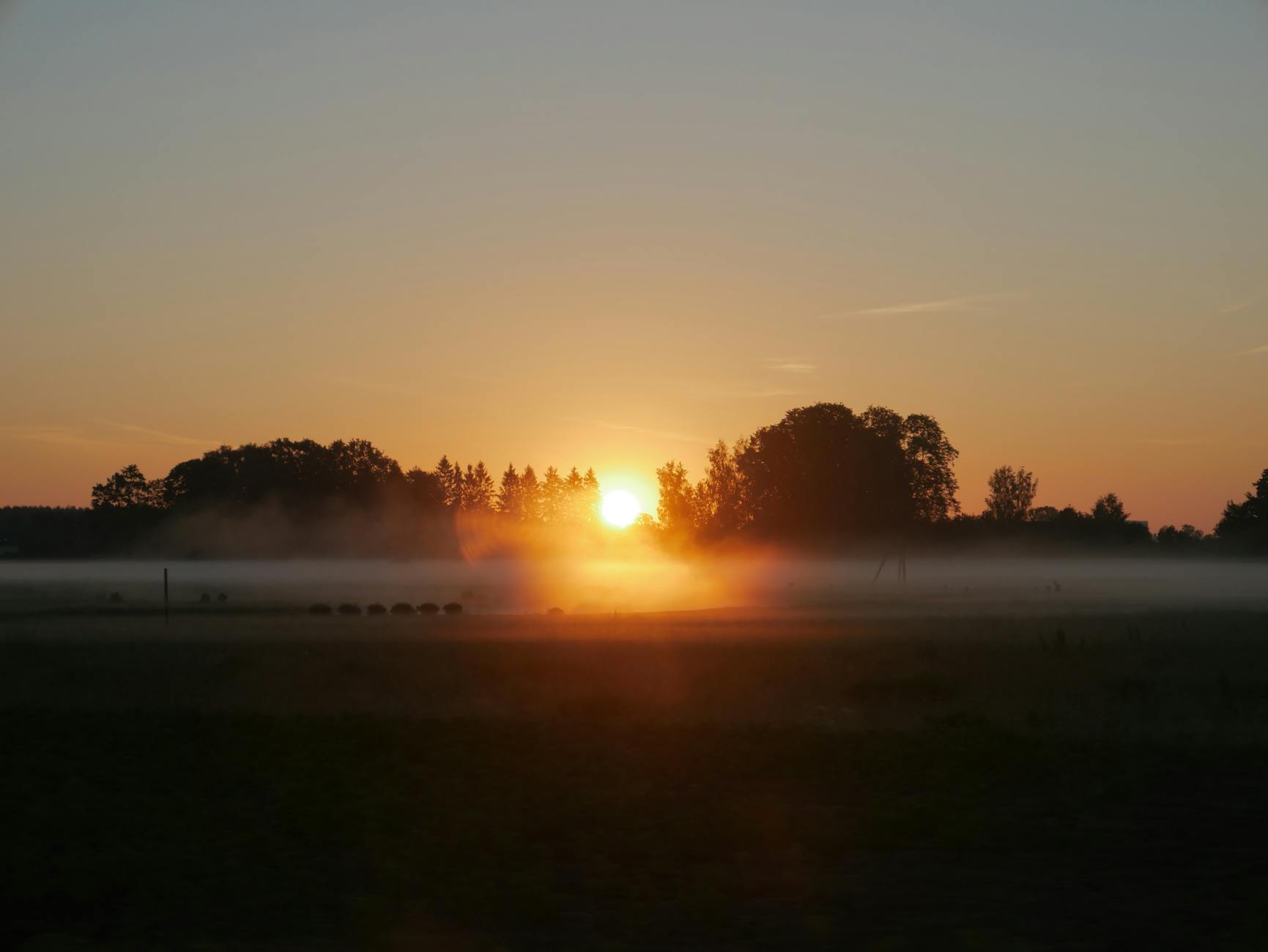
“Then the Lord awoke as from sleep, like a warrior shouting because of wine” The image is startling, almost disorienting. After the long silence of judgment, God is described as if rising suddenly, as though from rest. It is not that He had been unaware, but that His intervention had been withheld. Now, with a suddenness that breaks the stillness, He acts. The comparison to a warrior stirred to action carries both energy and intensity—a shift from restraint to movement. What had seemed like absence gives way to unmistakable presence. The stillness of loss is interrupted, not gently, but with force.
“He beat back his enemies; he put them to everlasting shame” The direction of power reverses. Those who once triumphed now retreat, marked by defeat that will not easily be forgotten. The shame described here is not fleeting embarrassment, but a lasting undoing of what appeared secure. It is as though the balance that had tilted so heavily is suddenly set right again. Yet this is not merely a political or military change; it carries the sense of vindication. What had been allowed for a time is no longer permitted. The restraint lifts, and with it comes a restoration of order that had seemed lost.
“Then he rejected the tents of Joseph, he did not choose the tribe of Ephraim” The movement of restoration is not a simple return to what was before. There is a reordering, a choosing that clarifies what had perhaps been assumed. The rejection here is not impulsive but deliberate, marking a shift in where God’s favor will rest. It reminds us that awakening does not erase history; it engages it. What has been proven unsteady is not simply reset but reconsidered. The story moves forward, but not without distinction, not without a recognition that some paths are no longer to be followed.
“But he chose the tribe of Judah, Mount Zion, which he loves” The language softens here, settling into something more intimate. “Chose” and “loves” stand in contrast to the rejection that precedes them. The focus narrows, not to exclude for its own sake, but to establish a place where presence will dwell again. Mount Zion becomes more than a location; it is a sign of renewed nearness, a point where the relationship is gathered and held. Love, placed at the center of this choosing, suggests that the awakening is not only about power but about restoration of connection—something firm, something enduring.
These verses move us from silence into action, from loss into a beginning that is not quite the same as what came before. The awakening of God does not undo the memory of what was lost, but it interrupts its finality. It shows that absence is not the end of the story, even when it has lasted long enough to feel permanent. Yet the restoration comes with shape and direction; it is not a return to careless familiarity, but a reestablishing marked by clarity and intention. In this, there is both comfort and caution: comfort, that silence does not last forever; caution, that what follows is not simply given, but chosen, held, and loved with a depth that asks to be remembered differently.

Leave a comment