Emotional Meditation—By Micah Siemens
“You make us an object of contention for our neighbors, and our enemies laugh among themselves” The psalm turns outward again, describing a sorrow that cannot remain private. The suffering of the people has become visible to those around them, exposed to ridicule and dispute. There is a particular ache in being made into a spectacle, when pain is no longer held with dignity but observed with scorn. The laughter of enemies deepens the wound because it suggests abandonment, as though the people once protected by God have now become vulnerable to every hostile gaze. Shame settles over the community like another layer of grief, heavy and difficult to cast aside.
“Restore us, O God of hosts; let your face shine, that we may be saved!” The refrain returns like a repeated breath, carrying both weariness and persistence. Nothing has yet changed, and still the prayer rises again. There is something profoundly human in this repetition. When suffering lingers, words often narrow into a single plea spoken over and over because nothing else remains to be said. The request is unchanged because the deepest need is unchanged: not merely rescue from enemies, but the return of God’s nearness. The shining face of God remains the center of hope, the belief that restoration begins where divine presence is no longer obscured.
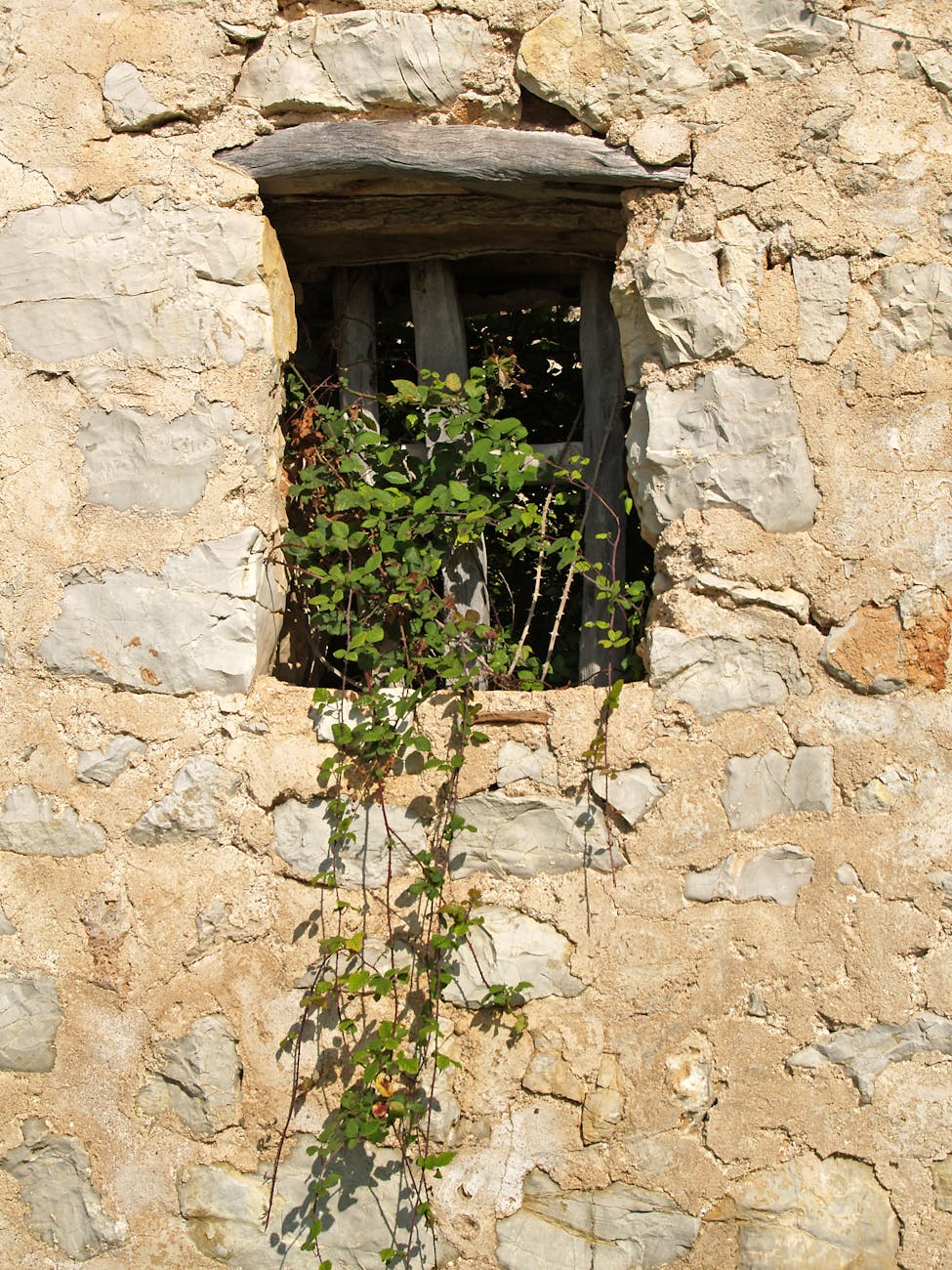
“You brought a vine out of Egypt; you drove out the nations and planted it” The imagery shifts here from shepherding to cultivation. Israel is remembered as a vine carefully taken from one place and tenderly planted in another. The language carries patience and intention. A vine does not establish itself overnight; it requires care, protection, and time to grow roots deep enough to endure. The psalm reaches backward into memory, recalling not only deliverance from Egypt but the gentleness of being planted by God Himself. In moments of devastation, remembrance becomes a form of survival. The people look to what God once did because the past still bears witness to His ability to nurture life where there was once only oppression.
“You cleared the ground for it; it took deep root and filled the land” The picture expands with quiet beauty. The vine was not abandoned after planting; space was made for it to flourish. Obstacles were removed, roots stretched downward, and life spread outward in abundance. There is a tenderness in the image of deep roots, suggesting stability, belonging, and permanence. What now feels fragile was once flourishing under the care of God. The psalm does not romanticize the present, but neither does it forget the fullness that once existed. Memory becomes both comfort and sorrow—the comfort of knowing blessing was real, and the sorrow of seeing how much has since been lost.
“The mountains were covered with its shade, the mighty cedars with its branches” The vine once extended far beyond what seemed possible, offering shelter and presence across the land. Its growth was expansive, almost overflowing, touching even the imagery of mountains and cedars with its reach. There is a sense here of life as it was meant to be: fruitful, secure, and wide enough to provide shade for others. And yet the grandeur of the image makes the present grief sharper by contrast. The psalm remembers abundance while standing amid ruin. Still, the act of remembering is itself an act of faith. It suggests that the God who once caused the vine to flourish has not been forgotten, even if His people now stand among broken branches longing to be tended once more.

Leave a Reply