Emotional Meditation—By Micah Siemens
“They have burned it with fire; they have cut it down” The image of the vine reaches its darkest moment here. What was once flourishing and carefully tended is no longer merely exposed or damaged—it has been consumed. Fire leaves behind a different kind of grief because it destroys so completely. The psalm speaks with the ache of those who have watched something precious reduced to ruin before their eyes. There is no attempt to soften the devastation. Branches that once stretched toward the sea now lie blackened and severed. Human hearts know this kind of sorrow well. There are seasons when loss feels absolute, when the things we nurtured with love seem to disappear in smoke and silence. The psalm does not deny the severity of destruction; it places it honestly before God.
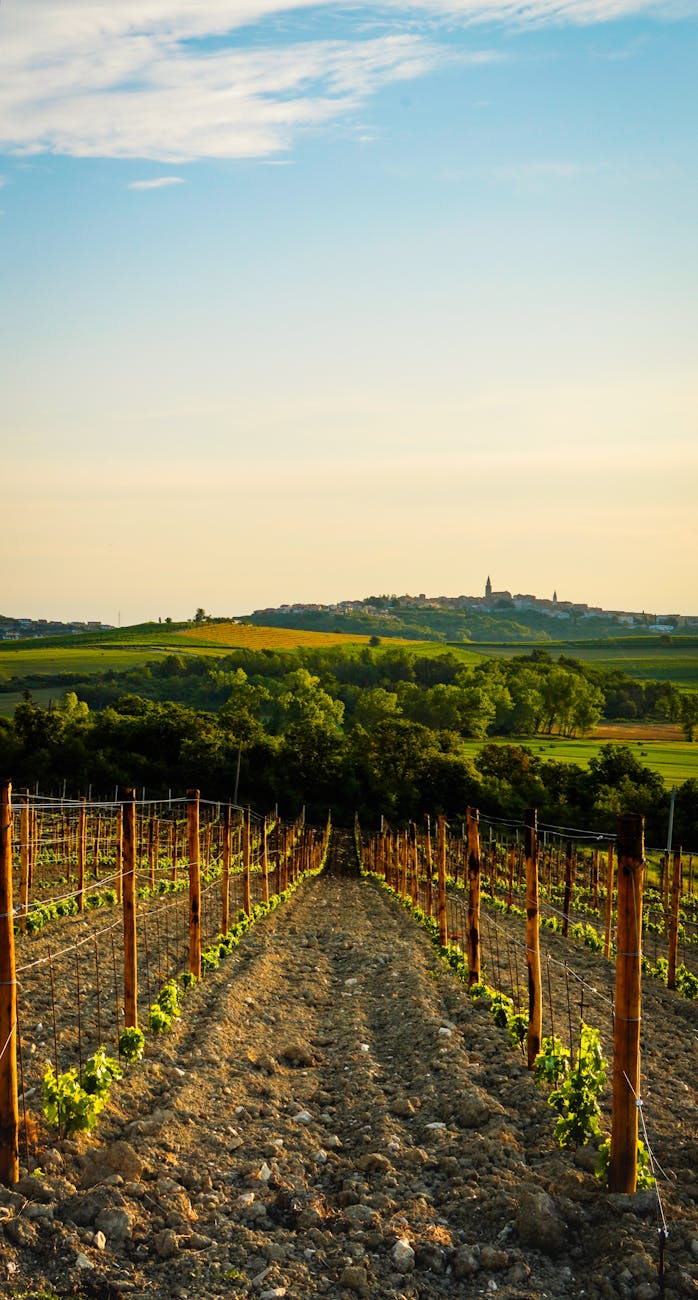
“At the rebuke of your face they perish” Beneath the outward calamity lies an even deeper anguish: the feeling of divine distance. The people understand their suffering not merely as misfortune but as existing beneath the weight of God’s displeasure. Few experiences feel more unbearable than sensing that the face once turned toward us in blessing now feels hidden or severe. Yet the very language of the psalm reveals something important. They still speak to God as One whose face matters. Even in fear and confusion, they have not become indifferent to Him. The sorrow itself is evidence of relationship. Hearts untouched by God do not grieve the loss of His favor so deeply. The lament carries within it the painful hope that the face capable of rebuke may also yet shine again with mercy.
“But let your hand be on the man of your right hand, the son of man whom you have made strong for yourself” (v. 17). Out of the ashes rises a plea for renewal centered on someone upheld by God Himself. The psalm begins reaching beyond ruin toward restoration through divine strength rather than human effort. The people no longer speak as though they can repair the vineyard alone. They ask instead for God to place His hand upon the one He has chosen and strengthened. There is humility in this request, a recognition that healing must come from beyond human striving. The verse carries a quiet anticipation, as though the future depends not on the resilience of the broken vine but on the faithfulness of the God who still appoints and sustains.
“Then we shall not turn back from you; give us life, and we will call upon your name” The prayer moves here into a promise born from dependence. Restoration is not imagined as mere survival or return to former prosperity; it is pictured as renewed communion with God. To receive life again is to become capable once more of worship, trust, and faithfulness. There is something deeply moving in the simplicity of the request: give us life. Beneath many of our prayers lies this same longing—not simply for circumstances to improve, but for weary hearts to awaken again in the presence of God. The psalm recognizes that spiritual renewal is itself a gift. Human beings cannot revive their own souls by force of will alone. We live because God breathes life where exhaustion and sorrow have settled too deeply.
“Restore us, O Lord God of hosts! Let your face shine, that we may be saved!” The psalm closes this section as it has closed before, with the repeated cry for restoration. Yet repetition in prayer is not emptiness; it is persistence born from need. The people continue asking because hope, though wounded, has not died. The final image is not of fire or broken branches but of the shining face of God. In Scripture, the shining face of God is the sign of favor, nearness, and peace. The people believe that salvation begins there—not first in rebuilt walls or renewed harvests, but in God turning toward them again with light instead of wrath. The prayer leaves us with the reminder that even after devastation, the deepest healing of the human soul is found in the presence of the One who still hears cries rising from burned and battered vineyards.

Leave a Reply