Emotional Meditation By Micah Siemens
“For he bowed their hearts down with hard labor; they fell down, with no one to help” The psalm continues the story of those who had turned away from the Lord, and now we see the painful consequences of their rebellion. Their strength has been brought low, and they have reached a place where human help is nowhere to be found. There are seasons when life brings us to the end of our own resources, when the strength we once depended upon is no longer enough. Sometimes this happens because of our own choices, and sometimes because of burdens we did not choose. Whatever the cause, there is a particular loneliness in realizing that no person can carry us out of the place where we have fallen. The psalm does not minimize the seriousness of their condition. They are helpless, humbled, and without an earthly rescuer. Yet even in that place, God has not stopped seeing them. The silence of human help does not mean the absence of divine help.
“Then they cried to the Lord in their trouble, and he delivered them from their distress” This turning point comes through one simple word: “Then.” When their strength was gone, they cried to the Lord. Sometimes it takes reaching the end of ourselves before we finally stop trying to save ourselves. We may spend long seasons attempting to control what cannot be controlled, repair what we cannot repair, or carry burdens that were never meant to be carried alone. But when we cry out to God, we discover that He is not waiting to shame us for having fallen. He hears the cry of the troubled heart. The same God whom they had resisted is the God to whom they can still return. This is the tenderness of divine mercy: our failure does not make prayer impossible. In fact, the place of our deepest helplessness can become the place where we learn again to call upon the Lord. A broken prayer whispered through tears is still heard by the God who delivers.
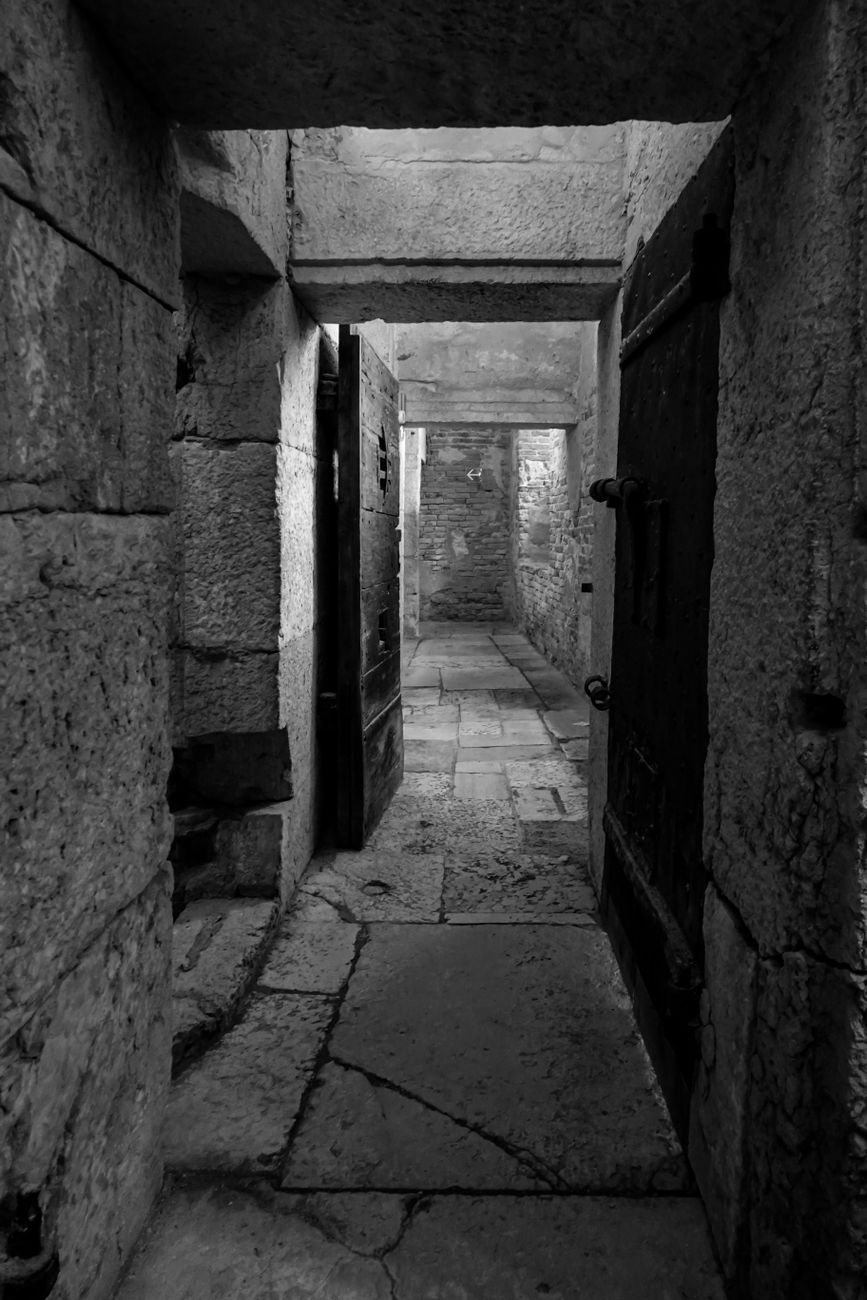
“He brought them out of darkness and the shadow of death, and burst their bonds apart” The God who hears does more than listen; He acts. The prisoners who could not free themselves are brought out of darkness, and the bonds that held them are broken apart. This is a powerful picture of the Lord’s redeeming work. Darkness may have surrounded them for a long time, but it was never stronger than God’s power to deliver. Their chains may have seemed permanent, but they were not permanent in the hands of the Lord. There are people who live as though their past has already determined their future, as though guilt, failure, fear, or regret has become a chain that can never be broken. But Scripture reminds us that God is able to bring His people into a new place. His deliverance may not always look exactly as we imagined, and sometimes He leads us through a long process rather than an immediate change. Yet the darkness is not beyond His reach, and the bonds are not beyond His power.
Psalm 107:12–14 reminds us that God meets people even when they have reached the end of themselves. He sees the humbled heart, hears the cry of the distressed, leads the prisoner out of darkness, and breaks the bonds that human strength cannot break. Perhaps today you feel as though you have fallen too far, wandered too long, or become trapped by consequences you cannot undo. Perhaps you have been carrying a burden until your strength is nearly gone. Do not mistake helplessness for hopelessness. The psalm teaches us that the place where our strength ends can become the place where we discover the faithfulness of God. Cry out to Him. Bring Him the truth of your condition, without pretending to be stronger than you are. The Lord who hears the desperate prayer is still able to lead His people from darkness into light, and from bondage into freedom. His mercy reaches even those who have nothing left but a cry.

Leave a comment